The Amalfi Coast has been famous longer than most countries have been famous. Ulysses passed through. Wagner wrote here. John Steinbeck wrote about it for Harper's Bazaar in 1953, and the article reads as though it were filed last week. Stanley Tucci has now contributed his episode, and the coast has been photographed enough to flatten it in your imagination, so that arriving here for the first time turns out to be a strange and slightly disorientating experience: you recognise everything, and yet nothing prepares you for the actual scale of the cliffs, the actual blue of the Tyrrhenian, the actual vertigo of stepping out of a car at the top of a town and looking down a stairway that never seems to end, while a small grandmother in black walks past you with a bag of lemons as though none of this were unusual.
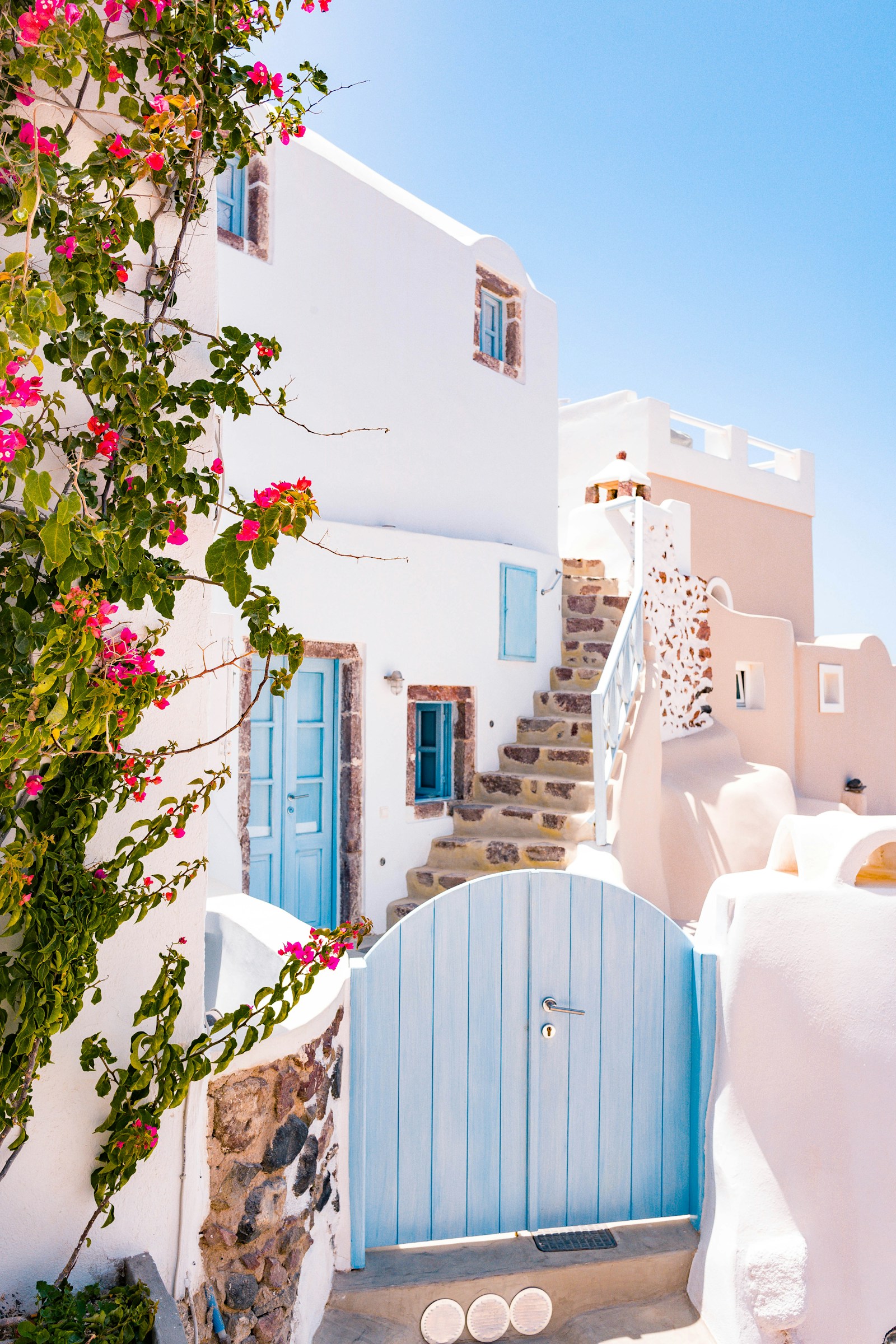
The coast still delivers, and it still ruins itself for travellers who stay in the wrong place. Picture the bad version for a moment: a five-thousand-euro reminder that location and design and staff are the entire game on a coast where nothing is flat and nothing is private without effort. Now picture the right villa. You wake up. You stand on the terrace. The bougainvillea has been doing its violent pink thing all morning while you slept, and a single fishing boat is crossing the bay at the speed of a held breath, and you understand, without anyone having to say it, why the Romans built here, why Wagner came, why people keep returning to this small stretch of cliff long after they could have gone anywhere else.
These are the villas, by neighbourhood, worth the spend.
How this list was curated
Fifteen villas is the right size for a guide to a coast this dense, but a list of fifteen specific properties would go stale within twelve months, the way these lists always do. Properties change hands, owners stop renting, the pool that earned a villa its place on a list one summer becomes the pool that needs replacing the next, and what was the best house in Praiano in 2024 is sometimes a different house entirely by 2026. So this guide is organised by neighbourhood and villa type rather than by specific listing, and each entry points toward the kind of property that delivers on that neighbourhood's particular promise. Each section links to the curated platforms where the current best examples can be found, which means the article will keep working long after individual properties rotate through.
The criteria, applied consistently across the list:
Setting. The view from the villa, the relationship to the sea, the access to walks. A villa with no view here is not a villa worth booking, since you can find views in cheaper places, and the view is most of what you came for.
The walk to a town. None of the recommendations require a car ride for breakfast, because cars on this coast are a liability rather than a convenience.
Design integrity. Properties that respect the local architectural language (white-washed walls, vaulted ceilings, ceramic tiles) rather than imposing an imported luxury-hotel aesthetic onto a cliff that was doing fine without it.
Staffing. Every villa here comes with at least a daily housekeeper, and the best of them come with a chef on call.
Honesty. None of the recommendations are unfindable. Every property type below is bookable through one of two trusted curated platforms, with broader inventory on Booking.com for travellers who want more options.
The list is organised by neighbourhood, not ranked, because the neighbourhood shapes the experience more than the property does, and the right neighbourhood for your particular trip is most of the decision.
Positano (5 villas)
Positano is the icon, and the icon still works. The town stacks up the cliff in a tight wedge of pink and ochre and white, the colours holding against the Mediterranean light better than anywhere else on the coast, and the descent from the upper town to the beach is one of the great walks in Europe, a winding choreography of staircases and arches and small shops where you keep promising yourself you will not stop, and then stopping anyway. The cost is the crowds in July and August, and the small open secret that the famous Positano photograph (the one with the dome of Santa Maria Assunta, the cliffs, the sea, the lemons) is taken from one of three terraces, and most of Positano does not have it. The villas worth the money do.
The postcard-view villa (upper Positano, five or more bedrooms). Picture this one for a moment: high above the town, the dome of Santa Maria Assunta framed dead-centre from the terrace, a path of two hundred steps down to the beach, and the kind of breakfast where nobody can stop looking up. This is the platonic Positano rental, and it exists in numbers smaller than the demand for it, the properties booking a year ahead for July and August. Best for first-time visitors who want the iconic view they came for.
The beach-access villa (Spiaggia Grande, four bedrooms). Lower down, on the Spiaggia Grande side, with direct steps to the beach and the boats. The view is into the cliffs rather than out to the sea, but you trade the postcard for the small daily grace of being able to walk to dinner without a recovery climb. Best for families with younger children, and for guests who want to swim from the property.
The cliff-edge contemporary (Praiano border, modern design). A handful of contemporary villas have appeared on the upper road toward Praiano in the last decade, designed by Italian architects committed to the modernist register: white concrete, frameless glass, infinity pools that read as continuous with the sea so completely that you keep losing the line between the two. Best for design-driven travellers who do not need traditional ceramic tile to feel they are on the Amalfi Coast.
The multi-generational compound (eight or more bedrooms with separate apartments). Larger properties on the Positano side are rare and expensive, but they exist, and the format is usually a main house with two or three smaller annexes built into the same cliff, each with its own kitchen and bathroom, sharing a pool and a garden. Best for extended families, and for groups who want their own space without their own villa.
The honeymoon hideaway (one or two bedrooms, infinity pool). Smaller properties built for couples, with a single primary suite, a cliff-edge pool, and a private kitchen for in-villa dining. Picture two of you, the lights of Positano starting to come on below, a chef working quietly in the kitchen behind you, the kind of evening you took the trip for. Best for honeymoons, milestone anniversaries, and any week where two people want the coast to themselves.
Browse all curated Positano villas on Plum Guide, where every property has been visited in person. For broader inventory across price points, search Booking.com and filter by your bedroom count. The right villa for your trip is in one of these two places, and starting now means you will have options; the best inventory tends to disappear quietly between February and April.
Ravello (3 villas)
Ravello is the alternative, and the alternative is increasingly the better answer. Three hundred and fifty metres above the coast, cooler in summer than Positano by a real margin, quieter, and home to the two greatest gardens in southern Italy (Villa Cimbrone and Villa Rufolo), Ravello is the answer for everyone who has spent a week on the lower coast and quietly wished they had stayed somewhere with more breathing room. The town is small, walkable, and crowd-resistant in a way Positano stopped being twenty years ago. The trade-off is that you are not on the water, and the descent to the beach is a serious switchback drive or a half-day walk, but if the steep stairs and summer heat of Positano are what worry you, Ravello is your answer.
The garden villa. Properties with private terraces that match the drama of Villa Cimbrone's Terrace of Infinity, set on the Ravello cliff with views down the coast toward Salerno. The architecture leans traditional: ceramic tiles, vaulted ceilings, the occasional Norman tower somewhere in the property's history. Best for travellers who care about the view and the quiet more than the swim.
The hilltop family compound. Larger properties (eight to twelve sleeps) on the Scala-Ravello road, with pools and gardens and the kind of square footage that is genuinely difficult to find on the lower coast, and at a per-bed cost materially lower than equivalent Positano inventory. Best for groups and families who do not need beach access every day.
The music-festival villa. Ravello hosts an internationally significant classical music festival in July and August, with concerts staged on the cliff at Villa Rufolo where the orchestra plays against the open sea, and walking back to your villa afterwards through the warm Ravello night is the kind of memory that anchors a year. Properties within walking distance of the festival venue book hard during the season. Best for music-driven travellers who plan their summer around the festival programme.
Plum Guide's Ravello collection is the cleanest entry point, and if quiet and altitude are what you are looking for, this is where you will find them.
Praiano (2 villas)
Praiano is the locals' answer, and the locals are not wrong. Smaller than Positano, quieter, more authentic, and home to the best sunsets on the entire coast because the geography opens west toward Capri rather than south toward Salerno, Praiano is the village that old Amalfi hands recommend to friends they actually want to look after. The villa stock is smaller and less famous, and the prices reflect that, which is to say you get more villa per euro here than anywhere else on the coast.
The sunset terrace villa. Properties on the upper road with a clear western exposure and a long terrace that catches the evening light from the moment the sun crosses Capri until it sets behind the island. Picture yourself there at seven in the evening, a glass of Falanghina in your hand, the sky going from blue to pink to gold to a soft, almost embarrassed lavender, while Capri turns into a silhouette and the bells of San Gennaro start somewhere below you. The pour of light on a Praiano evening is the thing photographers come for, and the thing most visitors miss because they are at dinner in Positano.
The boat-access villa (Marina di Praia). Marina di Praia is a tiny working harbour at the bottom of a cleft in the cliff, and a handful of villas have private steps down to it, which means you can be standing on the deck of a small boat fifteen minutes after waking up. Imagine walking down those steps in the morning, the smell of the salt and the diesel mixing in the still air, a boat waiting, a day on the water ahead of you with no need to drive anywhere. The convenience is the kind of small luxury that justifies the rental on its own.
Furore and Conca dei Marini (2 villas)
The hidden middle of the coast. Furore is famous for the fjord, a narrow gash in the cliff with a tiny beach at its mouth and a diving competition held there every summer that is half local pride and half collective hallucination. Conca is the home of the Emerald Grotto, where the light comes up through the water and turns everything the colour of old jade. Both are small enough that staying here means choosing solitude over restaurant scene.
The fjord-view villa. Properties built into the cliff above Furore's fjord, with views straight down into the cleft and out to the sea, photogenic in a way that even the Positano villas are not. Best for travellers who have been to Positano before and want a different register.
The cliffside seclusion villa. Properties on the Conca dei Marini stretch with no neighbours, no town within walking distance, and a private path to a cove. Best for couples and writers and anyone who explicitly does not want to be near a restaurant scene.
Sorrento side and Massa Lubrense (2 villas)
Technically not the Amalfi Coast, but for many travellers a better base. The Sorrento peninsula has easier access from Naples airport, walkable towns with full restaurant scenes, more grocery and produce variety, and direct ferry routes to Capri. The architecture is similar enough that visitors usually do not register the change, and the trade-off (slightly less drama) is repaid in everyday convenience.
The lemon-grove villa (Massa Lubrense). Properties set in working lemon groves on the southern side of the peninsula, with terraces facing the Faraglioni of Capri across the water, and the smell of lemon blossom in May so strong it makes everyone slightly emotional. Best for travellers who want a working agricultural landscape rather than a cliffside spectacle.
The Sorrento-town villa (Sant'Agnello, Sorrento). Properties on the cliff above Sorrento itself, with private elevators down to the marina and walking access to the town's restaurants and shops. Best for first-time visitors who want infrastructure without the Positano stair-count.
The Amalfi-Capri combo (1 villa)
Capri is overrun by day-tripping cruise passengers from June through September, and a hotel stay on the island during those months is hard to justify at the price. The better play is a villa on the Amalfi side with private boat access, leaving early for Capri before the cruise ships dock and returning to the villa by late afternoon. Picture your morning: the boat at seven, coffee on board as the light comes up over the bay, the Faraglioni at eight before the crowds arrive, an early swim in water so clear you can see the shadow of the boat on the seabed twelve metres below, lunch at La Fontelina, and back at your villa by five for another swim and an evening that will feel like it earned itself. One specific villa type to look for: properties between Positano and Praiano with a private dock or a tender available, sleeping six to eight, designed around the idea that mornings happen on the water.
The compounds for groups (the final tier)
For weddings, milestones, and multi-generational trips with parties of ten or more, the Amalfi Coast offers a small number of full-staff compounds in a price tier of their own. Bookings run thirty thousand to one hundred thousand euros for a week in peak season, and the lead time runs six to twelve months minimum, often longer for the most-requested dates. Three property types do this well.
The Positano cliff compound, with the postcard view and a kitchen built for catering. The Ravello hilltop estate, with the larger gardens and the room for a marquee under a star-lit summer sky. The Praiano cliff-cluster, with several adjacent villas under shared management for groups too large for a single property and too cohesive to want different addresses.
Plum Guide's "Sleeps 10+" filter on the Amalfi Coast is the cleanest entry point for this tier. Booking through a travel advisor often saves five to ten percent on properties at this size because of advisor commission structures, and if you are not working with one, Plum Guide's concierge service is a reasonable substitute.
Practical notes
When to go. May through mid-June is the calmest window: the wisteria is over, the bougainvillea is starting, the water is just warm enough to swim without hesitation, and the restaurants are open without being booked out. September through October repeats the trick from the other side, with warmer water and softer light, and the slow drift of late-summer pleasure that is one of the most underrated things in European travel. July and August are hot, crowded, and full of energy, and the boat traffic in the bay is significant. November through April many of the best villas close.
How long. Five to seven nights minimum to justify the setup. Anything shorter and you spend half the trip on logistics, since the transfer from Naples, the unpacking, the first dinner, and the goodbyes already eat two days, and the Amalfi week, properly done, is a Saturday-to-Saturday rhythm.
Driving. Do not. The road is famous for a reason, and it is not a good reason. Park the car at the villa and use boats and taxis. Most villas include or arrange transfers from Naples airport, and the smart ones use the Vietri sul Mare ferry route to bring you to the property by water on arrival, which is the kind of detail you remember a decade later.
Boat days. Charter through your villa rather than independently, where possible, because the local skippers know the coves, the lunch spots, and how to time the Capri morning to avoid the cruise crowds, and the price is rarely worse than the independent options.
Day trips. Pompeii is worth the half-day if you have not seen it. Positano from elsewhere on the coast is worth the visit if you are not staying there. Capri is worth the morning if you go early and leave by lunch. Ravello is worth a day from anywhere on the coast for the gardens alone.
The food question. The cooking-class trend has reached saturation, and the experiences vary widely, but the best are private, in-villa, and led by a local nonna with a translator and forty years of opinions about pasta. The chef-at-the-villa option is the better play for most weeks: one or two dinners cooked in the villa kitchen by a local chef, with the rest of the meals at restaurants or simple at home. This is the move that turns the week from a holiday into the trip.
What every Amalfi villa renter forgets: the steps. There are always more than the photographs suggest. Confirm the step count from the road to the villa, from the villa to the pool, and from the villa to the nearest beach before you book, because a villa with one hundred and twenty steps is a different proposition from one with thirty, and the photograph will not tell you the difference.
What I'd pick if I were going this summer
If I were going for one week with my own family this June, I would take a six-bedroom property in Praiano with a sunset terrace and walking access to Marina di Praia, and here is the week as I would let it unfold.
Two chef nights at the villa, where the family eats outside under the bougainvillea and the courses come slowly and the children stay up later than they should. Restaurants in town the other evenings, the small, unfussy places where the owner knows the fish and the wine without consulting anyone. A boat to Capri on day two before the trip got into Positano-mode. The second half of the week at the villa, with day trips to Ravello and Pompeii folded in. Mornings on the terrace with the espresso machine and the view, and the slow, almost guilty pleasure of having nothing to be on time for.
The reason for Praiano over Positano is simple. The town centre of Positano is a wonderful evening for two nights and a slightly exhausting one for seven, while the view down the coast from a Praiano terrace, with the sun setting over Capri behind you, is the view I would rather have on the last night. It is still close enough to Positano that a single dinner there is a fifteen-minute drive, and for a week, Praiano works harder.
The reason for six bedrooms over four is that the Amalfi villa, properly done, is the kind of trip where you want extended family along, and the setup cost (the transfers, the chef, the boat day) gets divided across more people, which means a better trip per dollar and a better trip in the way that matters, which is the way you remember it later. A six-bedroom villa with eight or ten people in it is the format the coast was made for.
The Amalfi Coast has been famous so long that the marketing for it is older than your grandparents, and yet the villas change every year. This year's best are not last year's, and next year's will not be these. The work is in the choosing, but the right week here is still the kind of trip that resets a year, that you remember in detail a decade later, that makes you understand why people kept coming back to this small stretch of cliff for two thousand years and counting. Choose the villa carefully, and the coast does the rest of the work, gently, and exactly the way it has always done.
The route.style travel notebook
Our running list of the villas, hotels, and small experiences worth booking, organized by destination. PDF, monthly update.
Get the notebook →